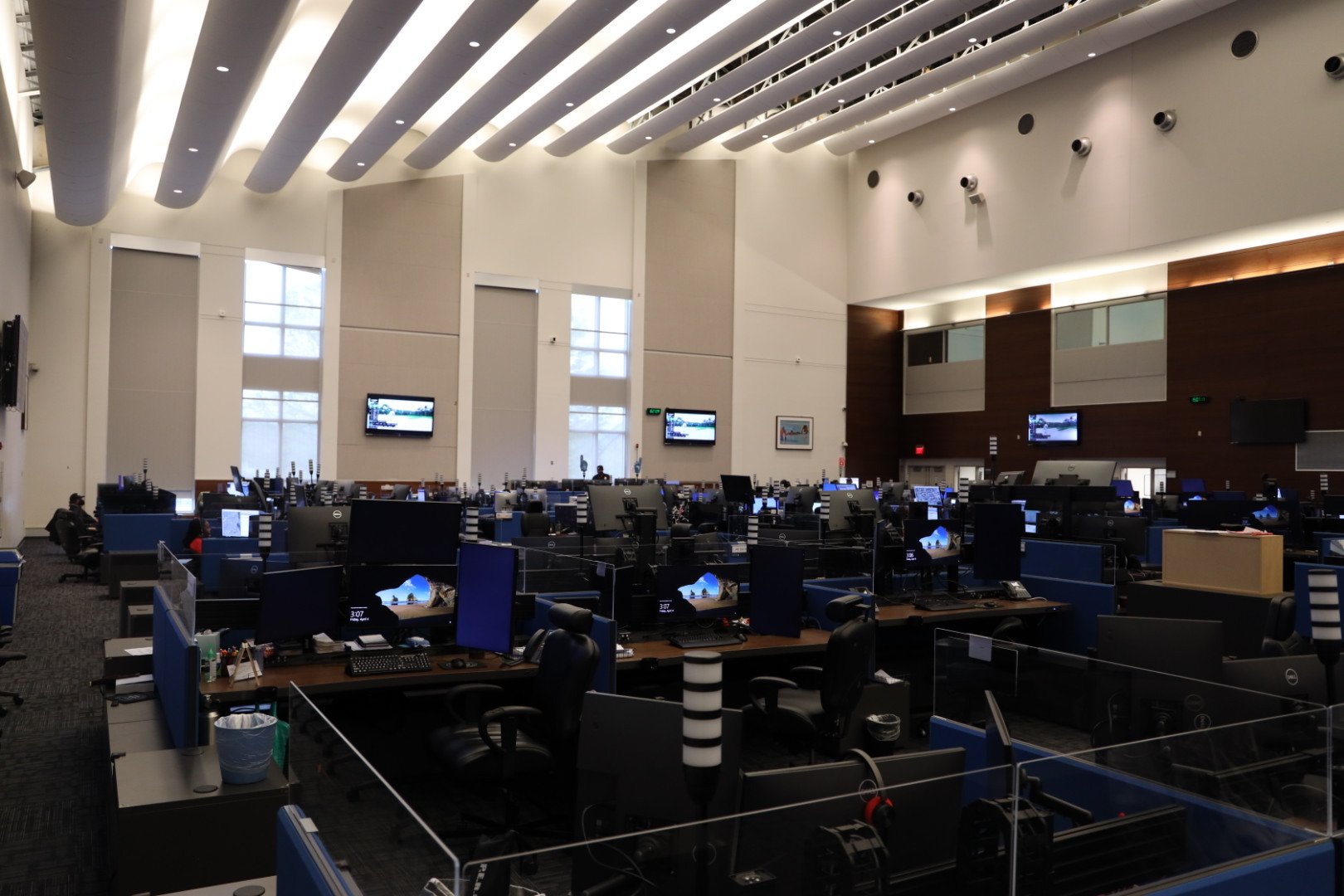
DC OUC Uses ASAP Service to Eliminate the Need for Additional Telecommunicators
Industry
Public Safety
Challenge
The District of Columbia Office of Unified Communications (DC OUC) handled approximately 40,000 alarm notifications annually through traditional voice-based processes that added significant workload for telecommunicators and delayed dispatch workflows.
Results
By implementing ASAP Service in 2024, DC OUC automated alarm data delivery directly into its CAD system, reducing manual call handling, accelerating emergency response, improving operational efficiency, and helping reduce telecommunicator stress and staffing strain.
Key Stats
Population served: 702,250, Annual 911 calls handled: 1.4 million, Annual alarm calls: 40,000
"Given our extremely high call volume, I would need to add at least two telecommunicators to handle the amount of alarm notifications that would start flooding our 911 center again, if ASAP Service was turned off."
Heather McGaffin
Director, DC Office of Unified Communications
About DC Office of Unified Communications
The District of Columbia Office of Unified Communications (DC OUC) operates the emergency communications center for Washington, D.C., handling approximately 1.4 million calls annually. DC OUC supports numerous local and federal agencies, including the Metropolitan Police Department, DC Fire and EMS, Washington Transit Police, Capitol Police, U.S. Secret Service, and U.S. Park Police.The Challenge
Before implementing ASAP Service, DC OUC processed alarm notifications through manual voice calls between alarm monitoring centers and telecommunicators. This process created several operational challenges:
- Alarm notifications required multiple voice conversations to verify information
- Manual call handling added two to eight minutes to processing times
- Repetitive alarm processing increased stress on already overextended staff
- Manual workflows increased the risk of miscommunication and transcription errors
- Determining alarm severity was often difficult during the dispatch process
With staffing shortages impacting ECCs nationwide, DC OUC needed a more efficient and sustainable approach to alarm management.
The Solution
DC OUC implemented ASAP Service in 2024 to automate alarm notification delivery directly into its CAD system.
ASAP Service digitally transmits alarm information without requiring manual phone calls or repetitive data entry, allowing telecommunicators to focus on higher-priority emergencies that require their expertise and certifications.
Because alarm data is automatically entered into CAD, dispatch workflows are streamlined and incidents move into the dispatch queue within seconds instead of minutes.
“By taking out the middleman, calls get dispatched faster and more accurately," said Heather McGaffin, director of DC OUC.
The Results
Since implementing ASAP Service, DC OUC has significantly reduced telecommunicators workload while improving operational efficiency and emergency response workflows.
Key outcomes include:
- Elimination of approximately 40,000 manual alarm calls annually
- Estimated savings of 111-444 telecommunicator hours per month
- Faster alarm dispatch through automated CAD integration
- Reduced risk of miscommunication and transcription errors
- Improved telecommunicator focus on higher-priority emergencies
- Reduced staffing strain without adding additional personnel
- Increased opportunities for staff training and operational efficiency
- Reliable automated alarm processing during high call-volume operations
"Since we've automated the process, we don't have to hire additional staffing and we're relieving the staff that we already have," McGaffin said. "In the past year and a half, the public has commented on how much quicker law enforcement officers are responding to alarms."
Prefer a hard copy? Download the print‑ready version here.